
Dry cupping therapy, an ancient healing technique with roots in traditional Chinese medicine, is experiencing a resurgence in popularity. This non-invasive therapy involves placing heated cups on the skin to create suction. While it may seem unusual, dry cupping has been used for centuries to alleviate a variety of ailments, from muscle pain to respiratory issues.
How Does Dry Cupping Work?
The suction created by the cups draws blood to the surface of the skin, causing the blood vessels to dilate. This increased blood flow can help to:
- Reduce muscle tension and pain: By relaxing tight muscles and improving circulation.
- Promote healing: By stimulating the body’s natural healing processes.
- Reduce inflammation: By drawing toxins and inflammatory substances out of the tissues.
- Improve lymphatic drainage: By stimulating the lymphatic system, which helps to remove waste products from the body.
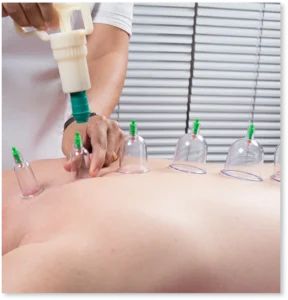
The Benefits of Dry Cupping Therapy
Dry cupping therapy has a wide range of potential benefits, including:
- Pain relief: It can be effective for relieving pain associated with conditions such as back pain, neck pain, and arthritis.
- Improved circulation: By increasing blood flow, dry cupping can help to improve circulation and oxygenation of tissues.
- Reduced inflammation: It can help to reduce inflammation and swelling, which can be beneficial for conditions like tendonitis and bursitis.
- Boosted immune system: By stimulating the lymphatic system, dry cupping can help to boost the immune system and improve overall health.
- Stress relief: Dry cupping can be relaxing and can help to reduce stress and anxiety.
The Dry Cupping Experience
A typical dry cupping session involves the following steps:
- Preparation: The therapist will clean the area of skin to be treated.
- Cupping: The therapist will place heated cups on the skin, creating suction.
- Session: The cups will be left in place for a few minutes, and then removed.
- Post-treatment: The therapist may apply a soothing balm or lotion to the treated area.
Potential Side Effects
While dry cupping is generally safe, there are some potential side effects, including:
- Skin irritation: Redness, bruising, and mild discomfort are common side effects.
- Infection: In rare cases, infection can occur if the cups are not properly sterilized.
- Bleeding: People with bleeding disorders should avoid dry cupping.
It is important to consult with a qualified healthcare professional before undergoing dry cupping therapy, especially if you have any underlying health conditions.
Bilal Hijama offers comprehensive dry cupping therapy services, tailored to individual needs. Their experienced therapists utilize traditional techniques and modern practices to provide effective and safe treatments. Whether you’re seeking relief from chronic pain, improved circulation, or overall well-being, Bilal Hijama’s dry cupping therapy can offer a natural and holistic approach to healing.
Conclusion
Dry cupping therapy is a promising alternative or complementary treatment for a variety of ailments. While more research is needed to fully understand its mechanisms of action, the ancient wisdom behind this technique continues to intrigue and benefit many people. If you are considering dry cupping, it is important to choose a qualified practitioner and to be aware of the potential risks and benefits.